The short answer
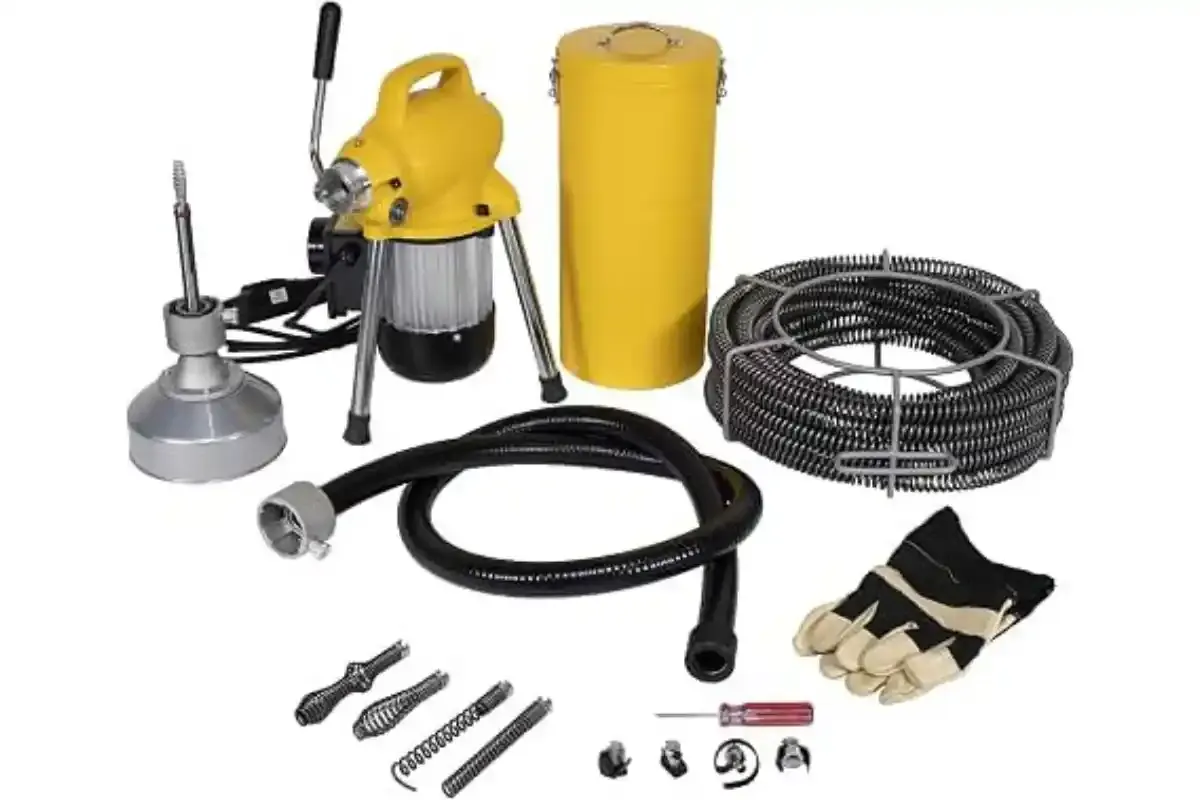
Snake the drain when you have a one-time clog such as hair, paper or a small plug. Jet the line when grease or scale coats the pipe wall, when the same drain clogs every few weeks, or when roots have left fine growth behind. A snake opens a channel. A jetter washes the walls.
If you are unsure, start with the snake. It costs less and solves most clogs. If the clog comes back, ask for a camera look and a jetting plan. Jetting a damaged pipe can make things worse, so the camera comes first when the line is old.
Side-by-side comparison
Each tool has a clear role.
| Question | Snake | Hydro jet |
|---|---|---|
| Best for | Hair, paper, toys, short plugs | Grease, scale, fine roots, whole-pipe cleaning |
| How it works | A cable cuts or hooks the clog | High-pressure water scours the walls |
| Speed | Fast | Longer, more setup |
| Risk | Low on sound pipe | Can worsen a damaged pipe |
| Result | Clear channel | Clean pipe wall |
See drain cleaning for snaking and hydro jetting for the high-pressure option.
Reading what your drain is telling you
A drain that slows gradually over weeks points to buildup on the pipe wall. A drain that stops all at once points to a blockage. Gurgling and slow drains in several fixtures point to a main line problem.
Kitchen lines are the classic jetting candidates. Fat cools and hardens, and the layers narrow the pipe over time. Bathroom lines collect hair and soap scum, which a snake handles well in most cases.
When roots are the cause
Roots enter at joints and spread inside the line. A cutting head on a cable removes thick roots. Jetting clears fine root hairs and flushes debris. For repeat root problems, the lasting fix is repairing the joint so the roots have no way in.
A camera shows where roots enter and how much of the pipe remains. See sewer inspection for how that works, and sewer line repair for the options when a pipe has failed.
How to choose in four questions
These questions settle most decisions.
- 1
Is this the first clog?
A first clog usually needs a snake.
- 2
Has it come back?
A repeat clog suggests coating or roots.
- 3
How old is the pipe?
Older pipe deserves a camera before jetting.
- 4
What is in the line?
Grease points to jetting. Hair points to a snake.
What a drain cleaning call costs you in risk and time
A snake visit is usually short. The plumber opens the trap or the cleanout, runs the cable until it meets the clog, breaks it up and runs water to test. Most single-fixture jobs finish in under an hour, and nothing about the pipe changes.
A jetting visit takes longer. The plumber sets up a hose reel, feeds the nozzle through a cleanout, makes several passes and recovers debris at the end. It is a better value when the pipe wall is the problem, and a poor value when a hair clog is the problem. The point of the decision is to buy the result you need, not the biggest tool.
Keeping drains clear between visits
Small habits stretch the time between calls.
Scrape, do not rinse, grease
Wipe pans with a paper towel and put fat in the trash.
Use drain strainers
Hair catchers in showers and tubs keep most clogs from forming.
Run hot water after dishes
It helps move soft residue along, though it will not clear a built-up layer.
Skip the harsh chemicals
They rarely reach deep clogs and can damage pipe and finishes.
Why timing matters
A drain that slows down is giving you notice. Acting at the slow stage is easier than acting after it stops. A snake visit at the slow stage often solves it, and a jetting plan at the second slow stage prevents the third.
If the problem shows in more than one fixture, treat it as a main-line issue and call sooner. See sewer line cleaning for what that involves.
What the plumbing code says about access
The California Plumbing Code, based on the Uniform Plumbing Code (UPC), expects cleanouts on drain lines so the line can be reached for service. Both cabling and jetting work best through a cleanout, and both are guided by the equipment maker's limits on pipe type and pressure.
Tell the plumber the pipe material if you know it. Old clay and cast iron need a gentler approach than new plastic.
What to do before a drain service visit
These steps help the visit go faster.
- Locate the cleanoutClear the area so the plumber can reach it.
- Stop using affected drainsWater poured into a blocked line has nowhere to go.
- Note the patternOne fixture, one floor or the whole house.
- Skip harsh chemicalsThey can burn skin and damage the line.
Santee note: your lateral and the district main
Jetting and snaking apply to your private line from the house to the connection. Padre Dam Municipal Water District maintains the wastewater main, about 169 miles of it across its service area. If a clog is in the main, neighbors will see the same problem, and the district handles it.
The City of Santee says clearing blockages is exempt from a building permit as long as valves, pipes and fixtures are not replaced or rearranged. That covers snaking and jetting. Replacing a failed concealed drain pipe is different and needs a permit.
Sources: Padre Dam Municipal Water District hazard mitigation annex (San Diego County, 2023). City of Santee, Work Not Requiring a Building Permit.
Clog that keeps coming back?
Call the 24/7 line for snaking or jetting.
Snaking and jetting questions
On sound pipe, yes. On cracked or collapsed pipe, it can worsen damage, so a camera check is wise.
Busy kitchens may need scheduled jetting. Home lines usually need it once after repeated clogs.
A hand auger works on small clogs. Main-line work needs a machine and experience.
Not on sound pipe when used properly. A plumber chooses the right head for the pipe.
Yes. See our El Cajon page for coverage.